There’s a stage a lot of nonprofits hit that doesn’t get talked about enough.
Things are working. People are engaged, events are happening, volunteers are showing up, and donors are willing to support what you’re building. From the outside, it looks like momentum.
Behind the scenes, it’s often a different story. Information lives in too many places, communication is inconsistent, and a lot of the organization is being held together by effort and memory rather than structure.
I recently worked through a full discovery process with a Central Texas nonprofit that has raised a significant amount of money and built real momentum in their community.
What became clear pretty quickly wasn’t a branding issue or even a website issue.
It was a systems issue.
And that’s where a lot of nonprofits get stuck.
The mistake: starting with the website
When things start to feel messy, the instinct is to fix what’s visible.
A new website feels like progress. It’s tangible, it’s public-facing, and it gives the sense that you’re moving forward.
Sometimes it is the right next step. But more often, the website is just the surface layer of a deeper problem.
If your information is scattered, if donor communication is inconsistent, if volunteers don’t have a clear way to get involved, or if events are being managed across multiple tools, a new website won’t solve that. It will just sit on top of it.
In this case, the recommendation wasn’t to jump into design.
It started with structure:
Define how communication actually works
Choose one primary platform to manage contacts, donors, events and communication
Make the website the central hub instead of a disconnected destination
Reframe social media as a support channel, not the backbone of the organization
Without that foundation, you’re building something that looks better but doesn’t function better.
The real risk: losing momentum you already earned
This is the part that tends to get underestimated.
Most nonprofits don’t struggle because people don’t care. They struggle because they can’t keep up with the people who do.
Someone is ready to donate, but the process is unclear.
Someone wants to volunteer, but there’s no obvious next step.
A family is trying to get connected, but they don’t know where to go.
Those moments seem small, but they add up quickly.
Over time, that gap turns into missed donations, frustrated volunteers, unclear communication, and leadership that is constantly reacting instead of operating with clarity.
Eventually, it starts to affect how the organization is perceived. Not because the mission isn’t strong, but because the experience around it feels disorganized.
There’s usually a window where people are paying attention and ready to engage. If the organization can’t support that, the momentum starts to fade.
A pattern I see outside of nonprofits too
This isn’t unique to nonprofits.
I had a conversation recently with a small independent bookshop that was about to hire a developer to build a custom tool for their operations.
They were trying to solve a real problem and were ready to invest in it.
The issue wasn’t the instinct to invest. It was where they were directing that investment.
There are already tools available that solve their exact problem, are more stable than anything custom-built at that stage, cost less, and won’t lock them into something they outgrow in a few years.
They didn’t need a developer. They needed someone who understood the landscape of available tools and could recommend the right fit.
That same dynamic shows up in nonprofits all the time.
It’s rarely about effort or commitment. It’s about matching the right solution to the actual problem.
What to build before the website
If you’re leading or involved in a nonprofit in Central Texas and things feel harder than they should, this is where I would start.
1. A clear system for people and communication
You need one place that holds your core relationships and activity:
Families
Donors
Sponsors
Volunteers
Event registrations
Email communication
Not a mix of disconnected tools and spreadsheets, but a primary system that everything ties back to.
2. Defined roles for each channel
Clarity here reduces a lot of unnecessary work.
Website = central hub for information and action
Email = primary communication
Facebook = community
Instagram = awareness
LinkedIn = donors and partners
When every channel is trying to do everything, none of them work particularly well.
3. A simple, repeatable way to run events and fundraising
Events and fundraising efforts should build on each other over time, not start from zero.
That means having:
A clear registration process
Defined communication before and after
Consistent materials
A way to follow up and stay connected
This is where momentum either compounds or disappears.
4. Tools that fit your stage
This is where a lot of organizations either overspend or underbuild.
You don’t need a custom platform or a complicated tech stack.
You do need tools that your team can realistically manage, that future board members can step into, and that will support your growth for the next few years without needing to be replaced immediately.
If you have the funds, don’t hesitate
There’s a mindset I see often in nonprofits that makes sense, but can become limiting.
A desire to be careful with money can turn into hesitation to invest in the systems that would actually support growth.
If you have funding and you have momentum, it’s worth taking that seriously.
The cost of waiting usually doesn’t show up as a line item. It shows up as lost engagement, missed opportunities, and a constant feeling of being behind.
You don’t need to overbuild or overspend.
But you do need to move with some level of confidence.
What kind of help to look for
If you’re going to invest, look for someone who can do more than design deliverables.
You want someone who can:
Diagnose the real problem before suggesting a solution
Understand what tools already exist and how to use them well
Recommend the right level of complexity for your stage
Think through how everything connects: website, systems, communication, fundraising
Help you implement, not just hand you a plan
That’s what actually reduces stress, saves money, and sets you up for growth.
Red flags to watch for
Be cautious of:
Jumping straight to a website redesign without addressing underlying systems
Custom builds too early in your growth
Overly complex setups that no one maintains long-term
Solutions that rely heavily on one person to operate
Treating social media as your primary infrastructure
These can feel like progress in the short term, but they tend to create more work and limitations later.
Final thought
Nonprofits are built on trust and generosity.
But for that to scale, there has to be structure underneath it.
If you’re in that middle stage, where people are engaged but things feel harder than they should, that’s not a sign something is wrong.
It’s a sign you’ve outgrown your current setup.
Handled well, it’s the point where your organization becomes something that can actually sustain and grow over time.
If you’re in this stage and things feel harder than they should, I can help you sort through it.
I work with nonprofits and service-based organizations to figure out what’s actually going on beneath the surface — and what to build next so your growth is supported, not strained.
You don’t need to have it all figured out. That’s the point of the conversation.
You can schedule a time with me here:
https://calendly.com/brandperfect/30min
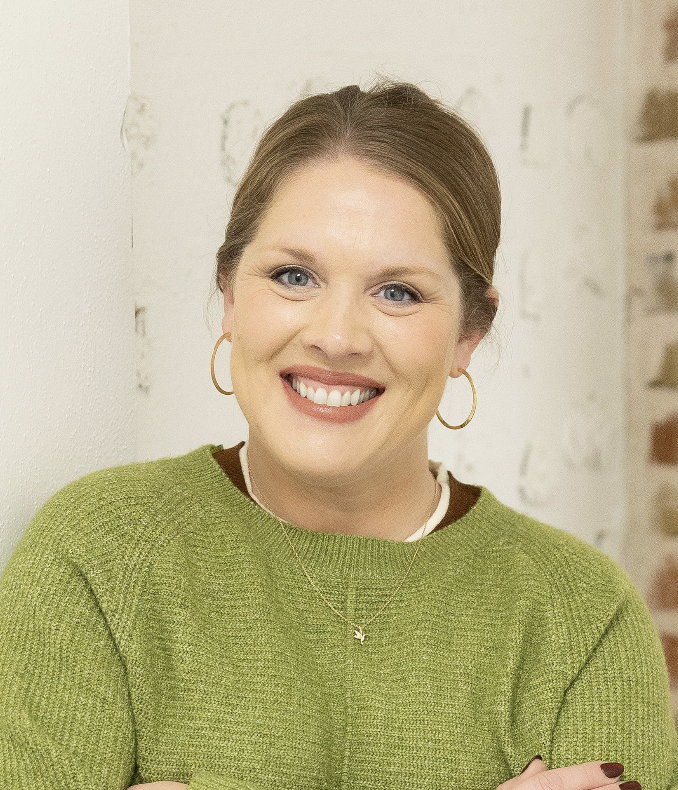
Written by
Savannah Sterrett
Brand Strategist & Founder, Brand Perfect · Central Texas
Savannah helps established service businesses and nonprofits in Waco, Temple, Belton, Georgetown and across Central Texas build brands that do more of the selling for them — so growth stops depending entirely on who they know.
Book a discovery call